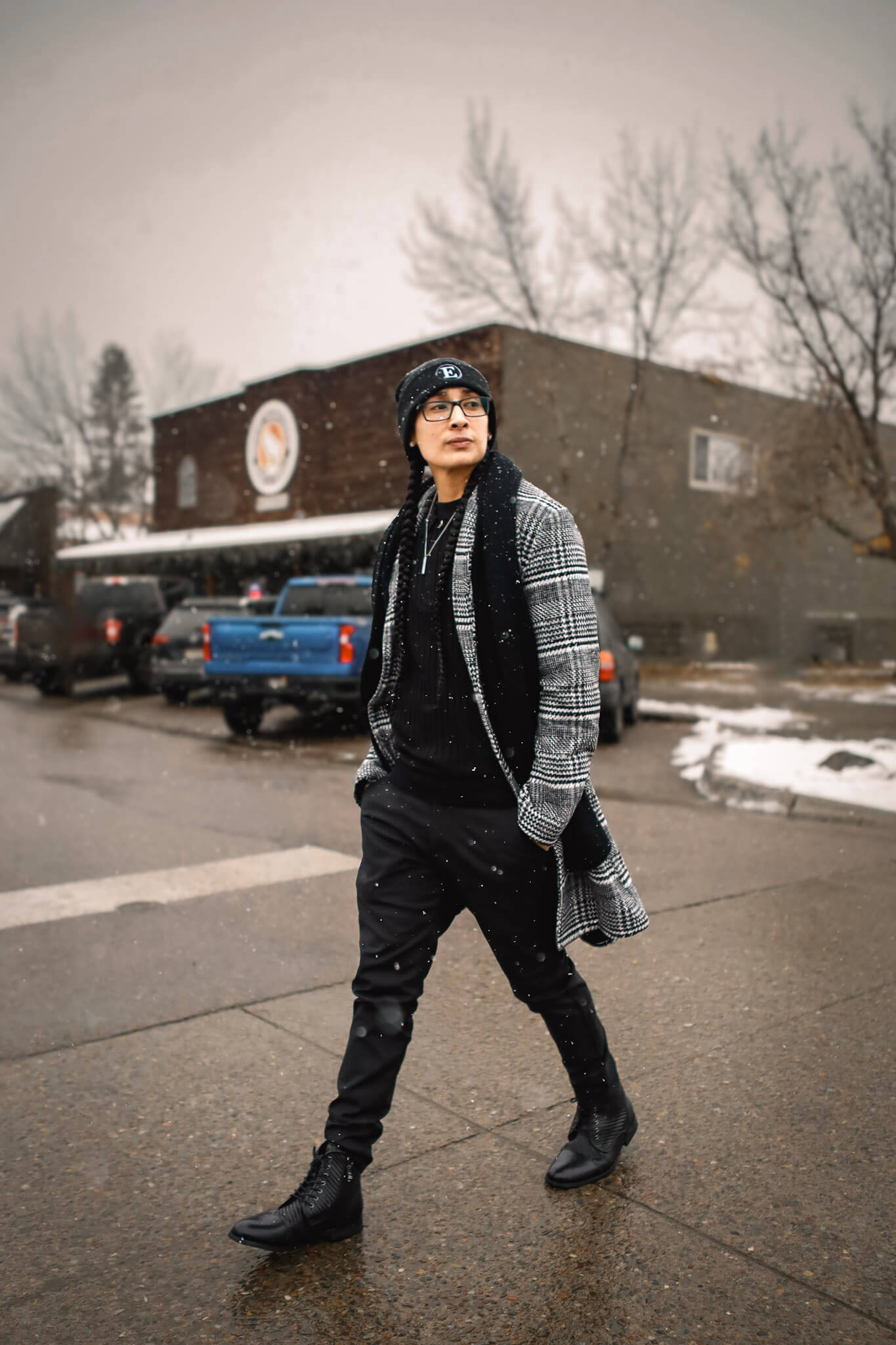
Mik Atonio is the founder of Elev8ed Table, the AI-native restaurant intelligence layer for Southern California. He builds and runs the platform's AI-visibility audits — measuring how answer engines like ChatGPT, Google AI Overviews, and Perplexity actually describe local restaurants, and diagnosing the structured-data gaps behind those answers. He runs the queries, reads the crawl data, and rebuilds the machine-readable layer that decides whether a restaurant gets named by AI or skipped entirely.
But his real specialty is translation. A restaurant's reputation is scattered across more places than any owner can keep up with — Yelp and OpenTable reviews, Google, Facebook, Instagram, competitor listings — and now ChatGPT and Google's AI answers sitting on top of it all, quietly deciding who gets recommended before a diner ever clicks. Almost none of that signal is readable to the person actually running the restaurant. Mik pulls it all into one place, analyzes it, and distills it into a single plain-English report. Nothing about it is generic: every analysis is custom-built for that specific restaurant, the exact customers searching for it, the neighborhood it lives in, and the way those searches are evolving — down to what its own diners are saying, what its competitors are doing, and precisely which gaps to fix first.
Elev8ed Table's whole approach is organic, and built to compound. Traditional marketing rents attention — thousands spent on ads and social posts that stop working the moment the budget does. Mik builds the opposite: durable, structured visibility designed to keep surfacing a restaurant long after an ad campaign would have gone quiet, and to put it in front of the high-intent customers actively searching for it — the people planning high-value bookings and events, not just the cheapest table. It's growth built on being found, not on being rented.
The result turns hours of scattered guesswork into a clear, prioritized picture an owner can act on in a single sitting — deep technical work, delivered without the jargon. That's the difference between handing an owner more data and handing them the answer.
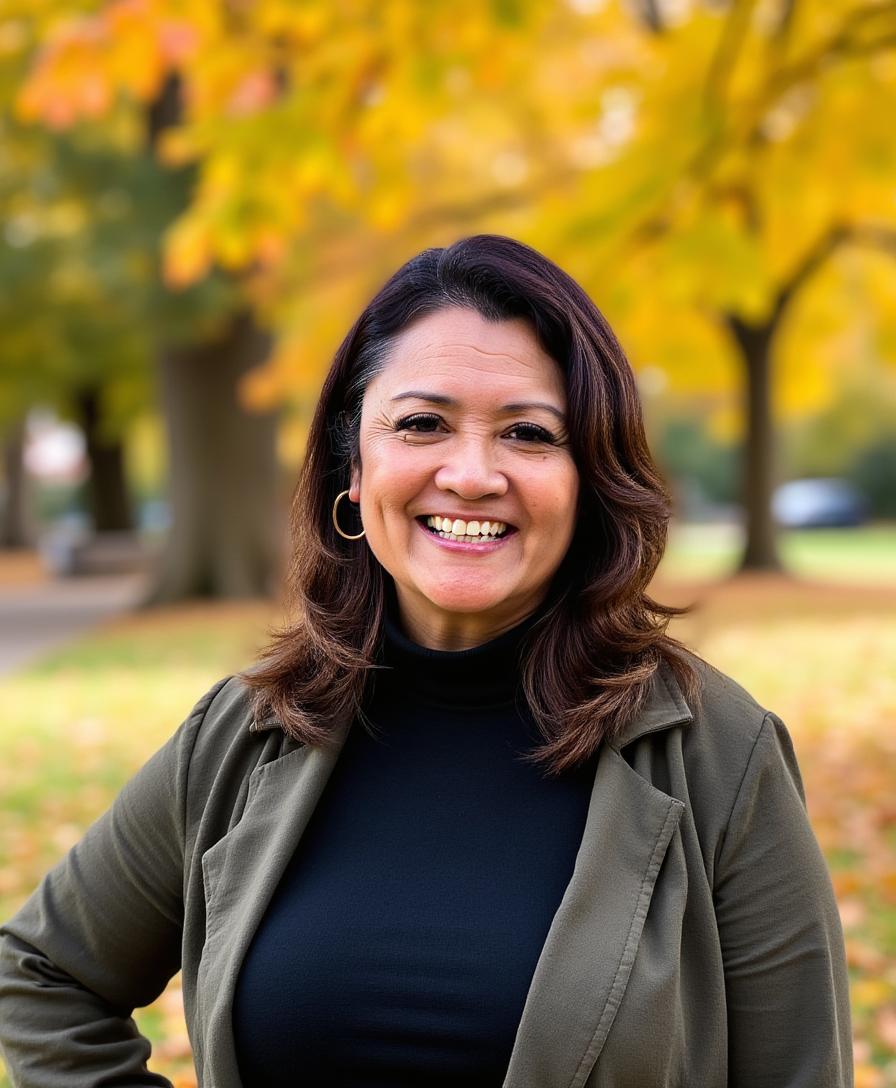
Michele Leocadio creates restaurant content for Elev8ed Table, where she is the lead editorial contributor. Seven years of covering Orange County — Irvine, Newport Beach, Costa Mesa — is what sits behind the credentials listed above: a long habit of showing up, ordering widely, and writing down what was actually on the plate.
How she comes to know a restaurant varies, and the page always tells you which it was. Some she has eaten at herself, and those carry her own photographs and her own notes. Some she has confirmed by picking up the phone, because a catering minimum or a plated-service detail is usually something only an owner or an events manager can answer. Most of the county guides are neither: they are built from what each business publishes about itself — its own menus, catering pages, pricing and terms — read at the source, cross-checked against its listings, and dated when the business last updated the page.
That last group is the largest, and it gets the most discipline rather than the least. A figure that cannot be traced to a business’s own material does not go on the page, and one that comes from a page the business has not touched in three years goes on with the year attached. It is a narrower promise than a review, and a more useful one when you are booking for three hundred people: what a caterer will serve, what it costs per head, and how much notice it needs.
Her name on a guide means it was researched under those rules and that she stands behind them. Elev8ed Table decides who is featured and how they rank on merit alone. We never sell placement or ranking.
Coverage on Elev8ed Table is earned on editorial merit, never bought. Whether a restaurant is featured — and how prominently — reflects the quality and completeness of verified information, not payment.
How a restaurant gets covered depends on how well we can know it, and every page says which applies. Some our contributors visit in person and document firsthand. Some we confirm directly with an owner or events manager. Most are researched from what each business publishes about itself, read at the source and cross-checked against its listings. In every case the facts we publish are tied to visible, on-page evidence, so what a reader sees is exactly what we structure for search engines and AI to reference.
The people who produce our coverage work independently of the platform’s commercial side. That independence is what makes our restaurant intelligence trustworthy — to diners, and to the AI systems it’s built to inform.
